

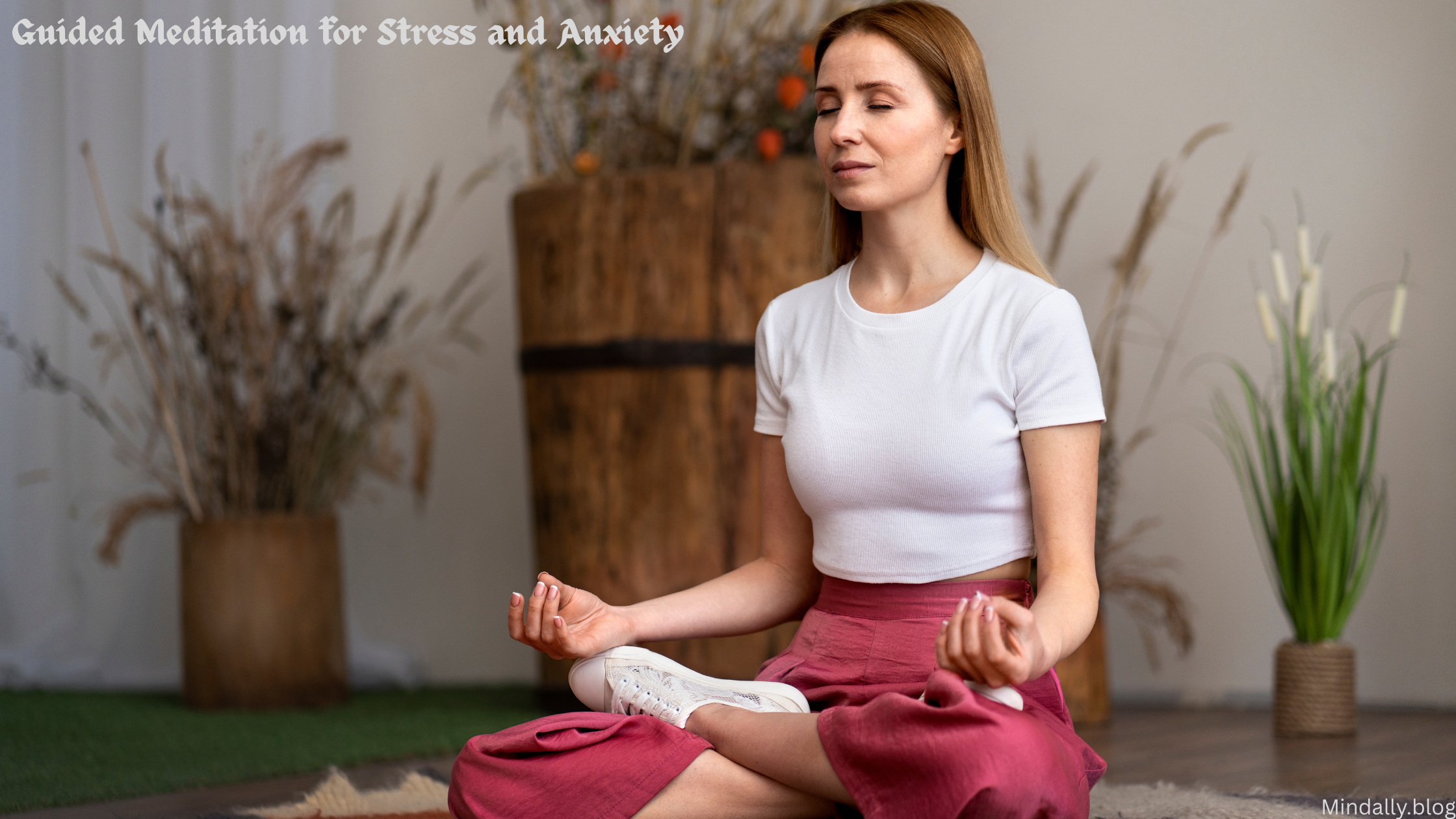
Stress and anxiety are not rare visitors, they’re practically roommates in today’s fast-paced world. In fact, more than 40 million adults in the U.S. are affected by anxiety disorders each year, making it one of the most common mental health challenges worldwide. Add workplace pressure, social media overload, and sleepless nights, and it’s no wonder many of us wake up already feeling wired and exhausted.
If you’ve ever opened your eyes and felt anxious before the day even began, you’re not alone, I’ve been there, too.
Enter guided meditation for stress and anxiety, a structured, accessible practice where an instructor, therapist, or audio guide leads you step by step into calm. You don’t need prior experience, fancy equipment, or hours of free time. Just a few minutes of guided meditation can help your mind and body reset.
With the growing demand for natural, non-pharmaceutical approaches to mental health management, meditation has gone from being alternative to mainstream and science-backed. Research shows that guided meditation not only lowers stress hormones but also changes your brain structure to better regulate emotions.
In this article, you’ll learn:
- How stress and anxiety affect your mind and body
- Why guided meditation works (with real science)
- Specific techniques like body scan, breathwork, and loving-kindness
- Practical ways to start and stay consistent
- Real-world success stories and evidence-based benefits
Let’s dive into why this ancient practice might just be the modern solution you’ve been looking for.
- Understanding How Stress and Anxiety Affect Your Mind and Body
- The Science Behind Guided Meditation’s Effectiveness
- Core Benefits of Guided Meditation for Stress and Anxiety
- 1. Stress Reduction and Cortisol Management
- Essential Guided Meditation Techniques for Stress and Anxiety
- How to Start Your Guided Meditation Practice
- Sample Guided Meditation Scripts and Techniques
- Overcoming Common Meditation Challenges
- Integrating Meditation into Your Stress Management Toolkit
- Real-World Applications and Success Stories
- Your Journey to Inner Calm Starts Now!
Understanding How Stress and Anxiety Affect Your Mind and Body
When you feel stressed, your body activates the fight-or-flight response. Your adrenal glands release cortisol, adrenaline floods your system, and your nervous system goes into overdrive. This response is great when you’re running from danger, not so great when it’s triggered by a Slack notification or an upcoming exam.
Common symptoms include:
- Racing thoughts and difficulty concentrating
- Muscle tension in the neck, shoulders, and jaw
- Sleep disruption (trouble falling or staying asleep)
- Digestive issues linked to nervous system overactivation

Chronic stress creates feedback loops that make symptoms worse over time. For example, sleep disruption increases cortisol levels, which then increase anxiety the next day a vicious cycle. Workplace surveys show that 83% of U.S. workers report stress-related health issues, while social media studies link doom scrolling with spikes in anxiety and depressive symptoms. Clearly, the need for accessible, daily tools like meditation to relieve stress and anxiety is urgent.
Anne, who is a digital creator shares her experience as, “I used to ignore those tight shoulders and constant jaw clenching until I realized they were my body’s way of saying, “slow down”.
The Science Behind Guided Meditation’s Effectiveness
Skeptical? Let’s look at the data.
1. Meditation reduces cortisol
Meditation reduces cortisol. A 2019 meta-analysis published in Frontiers in Psychology found that mindfulness and meditation practices significantly lower cortisol levels, leading to measurable stress reduction. Similarly, researchers at the Mayo Clinic highlight that regular mindfulness practice helps lower heart rate and improve emotional balance.
2. Meditation rewires the brain
Meditation rewires the brain. Harvard University researchers discovered that just eight weeks of mindfulness training can increase gray matter density in the prefrontal cortex responsible for focus and decision-making and decrease activity in the amygdala, the brain’s fear center. In other words, meditation literally changes the brain’s stress response network.
3. Meditation improves emotional regulation
Meditation improves emotional regulation. National Institutes of Health (NIH)-funded trials show that participants who practiced guided meditation experienced fewer panic attacks, better sleep, and improved mood regulation compared to control groups.
So, does meditation help with anxiety? The answer is yes both short-term symptom relief and long-term resilience are supported by research.
Rebecca, a college lecturer explains her feelings as, “When I first read about those brain changes, I was sceptical until I noticed how my “pause before reacting” muscle got stronger after just two weeks of daily practice”.
Core Benefits of Guided Meditation for Stress and Anxiety
Peaceful moment of mindfulness – guided meditation helps calm the mind and reduce stress, even in simple outdoor settings.
| Benefit | Description |
|---|---|
| Stress Reduction | Activates the body’s relaxation response, lowering cortisol and easing tension. |
| Anxiety Relief | Calms racing thoughts and helps regulate the nervous system. |
| Better Sleep | Soothes the mind before bed, promoting deeper, more restful sleep. |
| Improved Focus | Sharpens attention and reduces mental fatigue. |
| Emotional Resilience | Builds calm, balance, and stronger responses to stress. |
1. Stress Reduction and Cortisol Management
Guided meditation lowers stress hormones by activating the parasympathetic nervous system (the body’s rest-and-digest mode). Even a short 10 minute guided meditation for anxiety and overthinking can lower blood pressure and relax tense muscles.
2. Anxiety Relief and Nervous System Regulation
By interrupting overthinking patterns, meditation helps your nervous system reset. You learn to sit with anxious thoughts without being hijacked by them, creating more emotional stability.
3. Enhanced Sleep Quality
Stress and anxiety often show up at bedtime. Practicing stress and anxiety meditation for sleep helps calm racing thoughts and prepare the body for rest. Many people fall asleep faster with guided sleep meditation for stress and anxiety.
4. Improved Focus and Mental Clarity
A major benefit of guided meditation for anxiety and overthinking is a quieter mind. Over time, you develop sustained attention skills, improving productivity and reducing mental fatigue.
5. Emotional Regulation and Resilience
Regular practice builds your capacity to respond, not react. This makes you more resilient to everyday stressors whether it’s traffic, workplace drama, or relationship challenges.
Essential Guided Meditation Techniques for Stress and Anxiety

1. Mindfulness-Based Stress Reduction (MBSR)
Developed by Dr. Jon Kabat-Zinn, MBSR teaches you to observe thoughts and sensations without judgment. A classic meditation for stressful times, It’s the same program used in hospitals to help patients manage pain and anxiety.
2. Body Scan Meditation
Lie down or sit comfortably. Starting from your head, bring awareness to each body part, noticing tension and consciously releasing it. This meditation for relieving stress connects mind and body. I often do this before bed, it’s like telling every muscle, “”You can rest now”.”
3. Breathing-Focused Techniques
Breathwork is one of the fastest ways to calm anxiety:
- Box Breathing (4-4-4-4): Inhale, hold, exhale, hold.
- 4-7-8 Breathing: Inhale 4, hold 7, exhale 8.
- Diaphragmatic Breathing: Deep belly breaths to activate relaxation.
If you’ve ever felt your chest tighten before a big presentation, this is your secret weapon.
4. Visualization and Imagery
Guides may lead you to imagine a safe space (like a beach or forest) or practice progressive muscle relaxation while visualizing tension melting away.
5. Loving-Kindness Meditation
Send compassion to yourself and others. Phrases like May I be calm, may I be safe, help rewire self-critical thought patterns and support anxiety management.
How to Start Your Guided Meditation Practice
Starting a guided meditation practice doesn’t have to be complicated. With a few simple steps, you can create a calm space and a routine that actually sticks.
1. Creating the Optimal Environment
Find a quiet corner with minimal distractions. Add a cushion, blanket, or candle if it helps, but keep it simple. It doesn’t have to look “Instagram-perfect”, even sitting on your couch works.
2. Choosing the Right Guided Meditation Resources
Top-rated apps include Headspace, Calm, and Insight Timer. Personally, I love Jason Stephenson’s YouTube meditations, his voice instantly relaxes me. Look for programs labeled as best meditation for stress and anxiety.
3. Establishing a Consistent Practice Schedule
Start with 5–10 minutes once a day, ideally at the same time (morning or evening). Consistency beats duration.
4. Preparing Your Mindset
Release expectations. Guided meditation isn’t about perfect silence, it’s about showing up, even when your mind wanders.
Sample Guided Meditation Scripts and Techniques
5-Minute Morning Stress Prevention
Sit comfortably. Take a deep breath in… and slowly out. Set an intention for your day: I will carry calm with me. Inhale calm, exhale tension.”
10-Minute Anxiety Relief Session
Focus on your breath. Inhale 1-2-3-4. Hold. Exhale slowly. Notice your thoughts. Watch them like clouds drifting by. You don’t have to chase them.”
15-Minute Evening Wind-Down
Lie down. Scan your body from head to toe. With each exhale, release tension. Picture yourself in a safe, peaceful place. Let sleep naturally come.”
Overcoming Common Meditation Challenges
- Restless mind? You’re not failing. Gently bring attention back each time. That’s the practice.
- Physical discomfort? Adjust your posture or try walking meditation.
- No time? Try micro-meditations: 1-minute breathing exercises between meetings.
- Emotional intensity? Strong emotions may surface. If overwhelming, combine meditation with therapy or journaling.
Integrating Meditation into Your Stress Management Toolkit
Meditation works best when combined with other practices:
- Exercise: Enhances mood and reduces stress.
- Therapy: Complements professional treatment.
- Lifestyle: Healthy sleep, balanced diet, less caffeine.
Use meditation for specific triggers:
- Workplace stress: Try a 5-minute breathing reset before meetings.
- Social anxiety: Practice loving-kindness meditation before gatherings.
- Academic pressure: Use visualization before exams.
Over time, consistent meditation builds long-term resilience, making calm your default state.
Pro tip: Try a one-minute breathing pause before meetings, or a loving-kindness session before social events. Small practices create big shifts.
Real-World Applications and Success Stories
- Case Study: Jenna, a college student, reduced panic attacks by practicing a 10-minute guided meditation for anxiety nightly. Within a month, she reported improved sleep and fewer spirals.
- Workplace Programs: Companies like Google and Salesforce offer meditation breaks, reporting higher productivity and lower burnout.
- Schools: MBSR programs in classrooms show reduced stress and improved focus among students.
How does guided meditation help with stress and anxiety?
It helps regulate your nervous system, lowers cortisol (the stress hormone), and trains your mind to stay present instead of spiralling into worry. Over time, it builds calm and emotional resilience.
How long should I meditate each day to see results?
Even 5-10 minutes a day of guided meditation for stress and anxiety can make a noticeable difference in mood, focus, and sleep. Consistency matters more than duration
Can guided meditation really reduce anxiety symptoms?
Yes. Studies from Harvard and the NIH show that mindfulness and guided meditation can reduce amygdala activity, the brain’s fear center leading to less anxiety and better emotional control.
What’s the best time of day to do guided meditation?
You can meditate anytime, but many people prefer early morning for focus or before bed to unwind. Choose a time when you can be consistent and least distracted.
Do I need special equipment or a quiet room?
No special setup needed. All you need is a calm corner and a pair of earphones. You can meditate on your couch, in your car, or even during a lunch break.
Which apps or YouTube channels are best for beginners?
Popular options include Headspace, Calm, and Insight Timer. On YouTube, try The Mindful Movement or Jason Stephenson both offer free guided meditations for stress and anxiety relief.
How quickly can I feel the benefits of guided meditation?
Some people feel calmer after just one session, while deeper benefits like improved sleep and focus usually appear after a few weeks of regular practice.
Your Journey to Inner Calm Starts Now!
Guided meditation for stress and anxiety is more than a trend, it’s a proven, accessible, and practical skill that anyone can learn. From reducing cortisol and calming the nervous system to improving sleep and focus, its benefits are profound.
Remember: consistency matters more than perfection. Start with just 5 minutes a day. Download a meditation app, pick a beginner-friendly session, and schedule your first practice.
Peace isn’t a far-off destination. It’s built one breath, one pause, one guided meditation at a time.
Your journey to inner calm starts now!
References:
1. Koncz, A., Demetrovics, Z., & Takács, Z. K. (2021). Meditation interventions efficiently reduce cortisol levels of at-risk samples: A meta-analysis. Health Psychology Review, 15(1), 56–84. doi:10.1080/17437199.2020.1760727.
PubMed / abstract & links: PubMed
2. Pascoe, M. C., Thompson, D. R., Jenkins, Z. M., & Ski, C. F. (2017). Mindfulness mediates the physiological markers of stress: Systematic review and meta-analysis. Journal of Psychiatric Research, 95, 156–178. https://doi.org/10.1016/j.jpsychires.2017.08.004
3. Sanada, K., Montero-Marín, J., Alda Díez, M., Salas-Valero, M., Pérez-Yus, M. C., Morillo, H., Demarzo, M. M. P., García-Toro, M., & García-Campayo, J. (2016). Effects of mindfulness-based interventions on salivary cortisol in healthy adults: A meta-analytical review. Frontiers in Physiology, 7, 471. doi:10.3389/fphys.2016.00471.
Full text (PMC): PMC
4. Bartlett, L., Martin, A., Neil, A. L., Memish, K., Otahal, P., Kilpatrick, M., & Sanderson, K. (2019). A systematic review and meta-analysis of workplace mindfulness training randomized controlled trials. Journal of Occupational Health Psychology, 24(1), 108–126. doi:10.1037/ocp0000146.
PubMed / abstract & links: PubMed
5. Harvard Health Publishing. (2018). Mindfulness meditation practice changes the brain. Harvard Health Blog. https://www.health.harvard.edu/mind-and-mood/mindfulness-meditation-practice-changes-the-brain


Pingback: Conscious Breathing: The Life-Changing, Science-Backed Key To Reduce Anxiety And Living Mindfully